Aerial view of a construction site with cranes and ongoing building developments in an urban area.

Prevailing Wage Compliance in California

eMars provides certified payroll and compliance solutions tailored primarily for federal projects and select state jurisdictions. While many agencies accept the standard WH-347 form, some states will require their own form. For questions about supported jurisdictions, please contact our team directly.

Demo Our Prevailing Wage Compliance Software

Construction workers applying asphalt on a road surface with shovels and heavy machinery nearby.
Historic courthouse with clock tower amid modern skyscrapers and blue sky.
City road construction workers repair pavement surrounded by traffic cones and barriers during daytime.
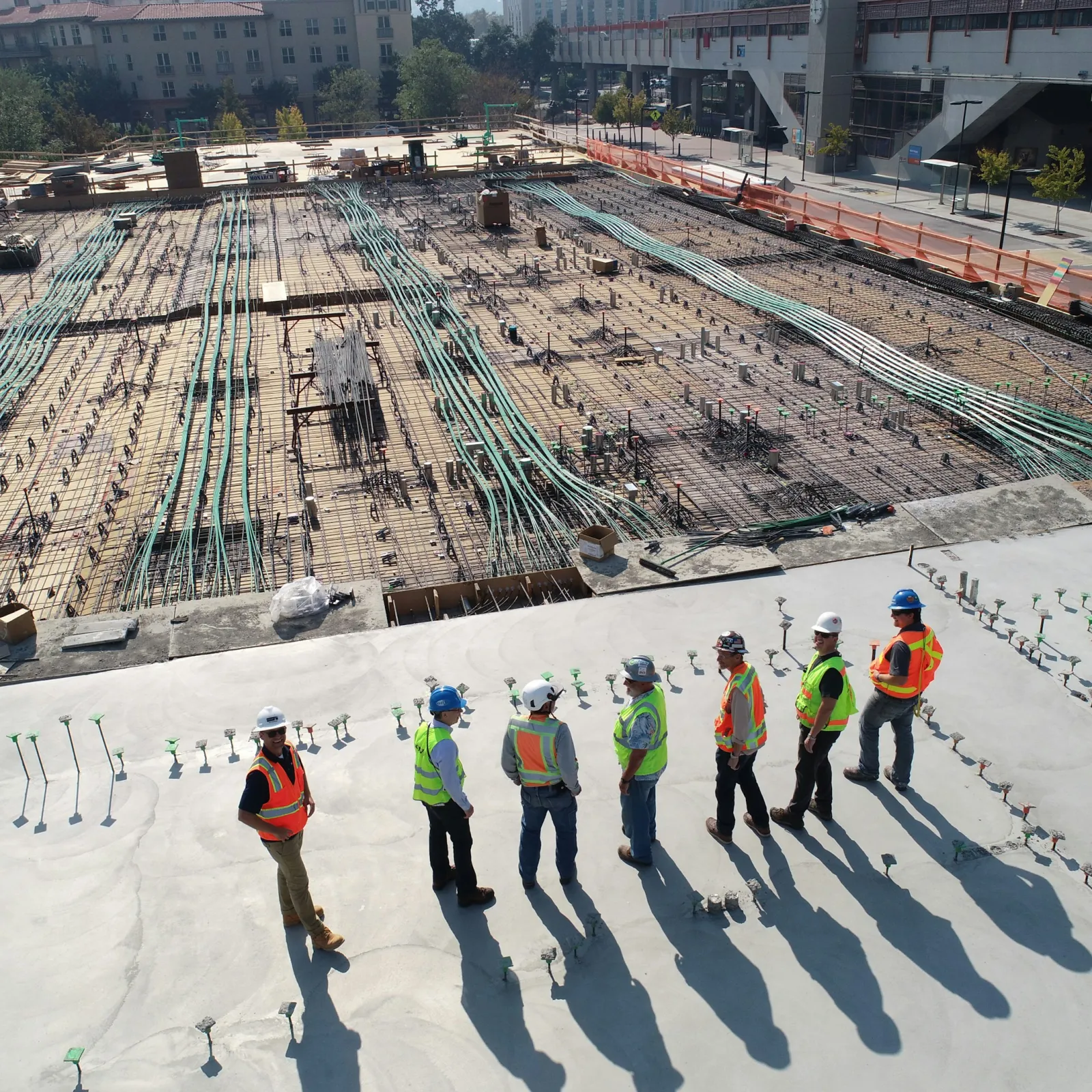
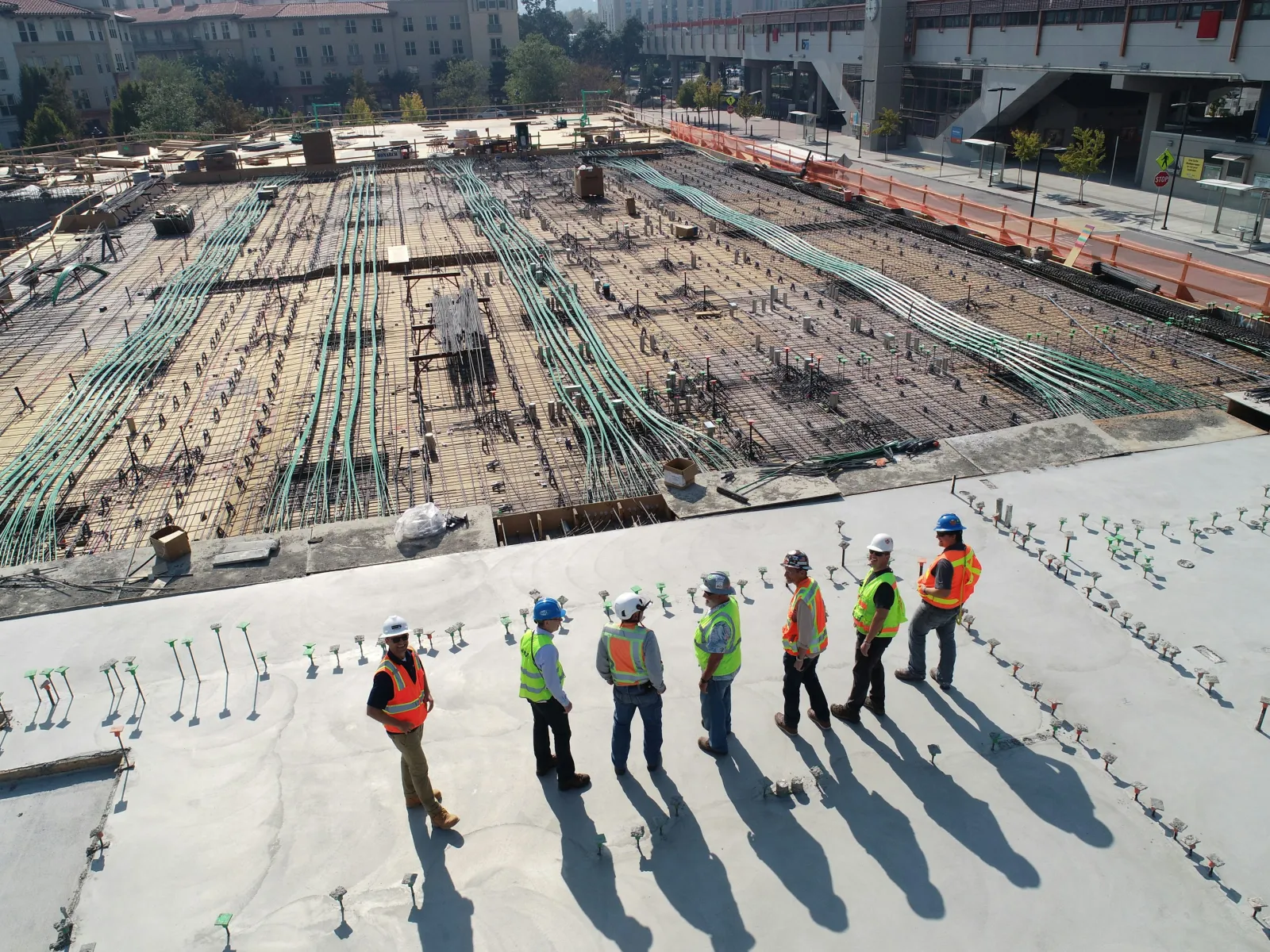
Construction workers in safety gear inspecting a large building site with exposed pipes and wiring beneath a concrete slab.
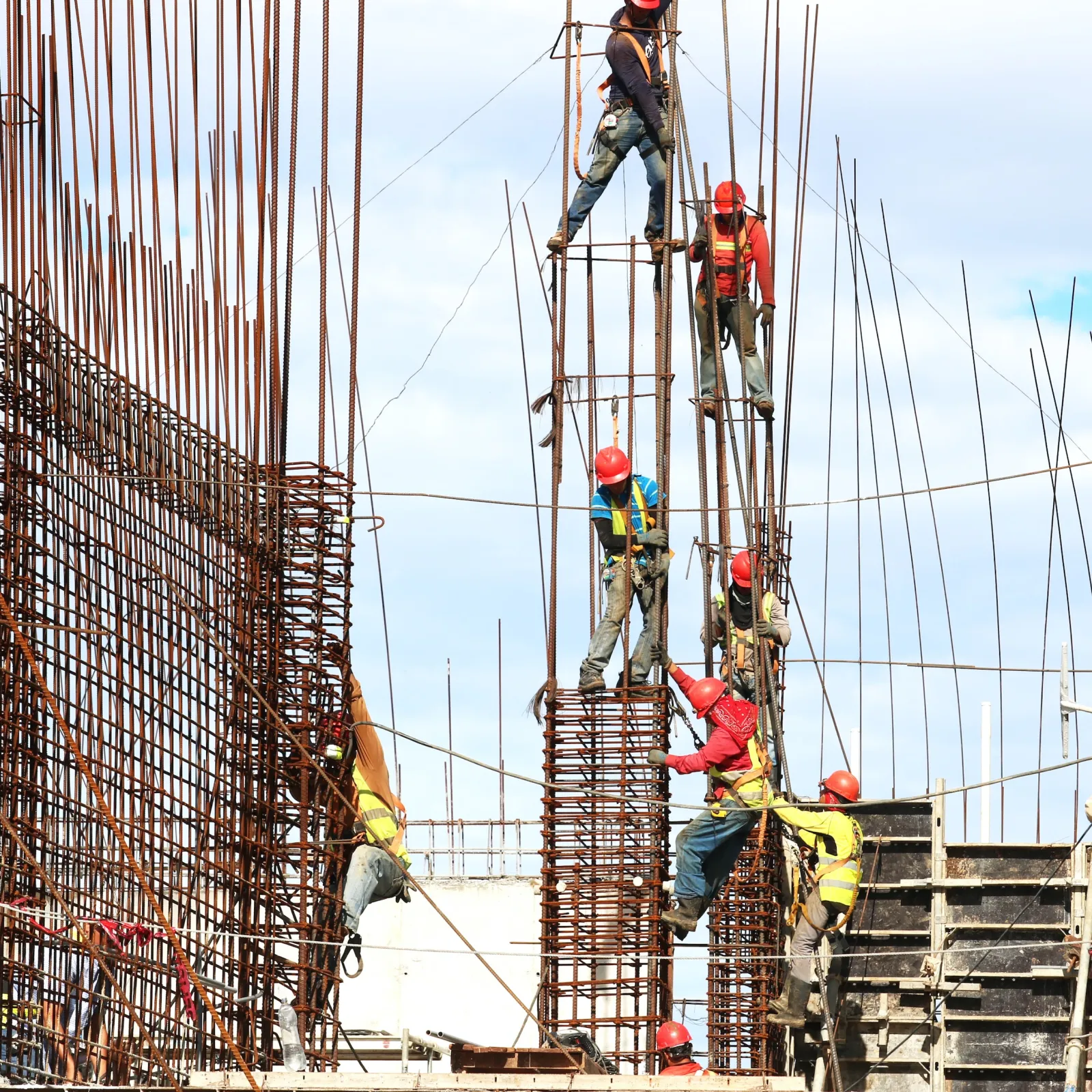
Construction workers wearing safety gear working on steel rebar framework at a building site under clear sky.

California's Public Works Regulations

All public works projects in the State of California are governed by the Department of Industrial Relations (DIR). The DIR oversees contractor registration, prevailing wage requirements, predetermined wage increases, apprenticeship programs, and certified payroll records. All contractors and subcontractors are required to comply with these wage and labor standards when a project is funded in whole or in part with public funds.

California DIR requires weekly payroll submissions using an XML format. eMars automatically generates fully populated Payroll XML files that meet California DIR requirements, eliminating manual data entry. These XML files can be submitted weekly directly to the California Department of Industrial Relations, ensuring fast, accurate certified payroll compliance.

Definition of "Public Works" in California

The Labor Code defines "Public works" as all construction, alteration, demolition, installation, maintenance, or repair work done under contract and paid for in whole or in part out of public funds. This can also include pre- and post-construction activities related to a public works project.

These rates originate in the Department of Industrial Relations (DIR) of the State, which makes the official announcements. These releases include a wide spectrum of prevailing wage rates, which vary according to the nature of work conducted and the geographical region of operation. These rates are subject to pre-determined and periodic increases.

These documents present the rates applicable to diverse worker classifications such as Laborers, Carpenters, Plumbers, and Operators.

Contractor Registration

All contractors working on public works projects must be registered with the Department of Industrial Relations (DIR) and remain in good standing, with no unpaid wages or penalties. eMars helps ensure your company stays fully compliant and never falls behind on prevailing wage obligations.

Prevailing Wage

Prevailing wage is the combined total of the basic hourly rate and fringe benefits paid to workers on all public works projects. These rates are established to ensure fair compensation and vary by county and work classification. Failure to pay the required minimum prevailing wage may result in penalties assessed by the Department of Industrial Relations (DIR).

Understanding Prevailing Wage Determinations

The Department of Industrial Relations (DIR) publishes General Wage Determinations twice each year. The project bid date determines which wage determination applies and whether predetermined wage increases are applicable. Each determination includes both a Basic Hourly Rate and a Total Hourly Rate for each county and work classification. California law requires employers to pay no less than the Basic Hourly Rate and to meet or exceed the Total Hourly Rate.

The Total Hourly Rate consists of the Basic Hourly Rate plus required employer payments. These employer payments typically include fringe benefits such as health and welfare, vacation, apprenticeship training, pension contributions, and similar benefits. Fringe benefits may be paid into a bona fide benefit plan or paid directly to the employee. Certain exceptions to these general requirements may apply, and eMars is equipped to accommodate and manage those exceptions.

Basic Hourly Rate versus the Total Rate

Basic Hourly Rate versus the Total Rate

General Determinations comprise both the Basic Hourly Rate and the Total Hourly Rate for each location and classification. California law mandates employers provide the Basic Hourly Rate as the minimum wage for every hour worked. However, there are exceptions to this rule, and eMars, the best payroll compliance software, can accommodate these exceptions.

The Total Hourly Rate encompasses the Basic Hourly Rate and the extra remuneration for "employer payments." These payments typically cover fringe benefits like health and welfare, vacation/holiday, apprentice training, and pension.

Employers are free to either directly pay these fringe benefits as part of wages or to acquire an offset for the "actual cost" of the benefit offered to the employee, which was funded into a bona fide health, pension, vacation, or fringe benefit plan. In either case, the total remuneration offered by the employer to the employee must align with the Total Hourly Wage stipulated by the Director in the General Determination.

View California's industry-specific wage rates on the official DIR site.

For the most accurate and current information on prevailing wage requirements, consult the U.S. Department of Labor or your state's official labor website.

California Prevailing Wage FAQs

What are the prevailing wage benefits in California?

In California, prevailing wage benefits are additional compensations that workers on public works projects receive, beyond their hourly wage. These benefits typically include health insurance, retirement plans, vacation pay, etc. The California Department of Industrial Relations (DIR) sets the required benefit rates to ensure workers receive fair compensation packages in line with industry standards. Our compliance solutions help companies calculate and administer these benefits accurately, ensuring full compliance with state regulations.

How are prevailing wages determined in California?
The California Department of Industrial Relations (DIR) determines prevailing wages based on wage surveys and data collected from similar projects within the local area. These rates are updated periodically to reflect changes in the labor market and ensure fair compensation for workers.
What types of projects require prevailing wage compliance in California?

In California, prevailing wage laws apply to all state-funded public works projects. This includes construction, alteration, demolition, installation, and repair work conducted under a public contract. Our compliance solutions can help ensure adherence to these regulations across various project types.

What are the consequences of non-compliance with prevailing wage laws in California?

Non-compliance with California prevailing wage laws can result in significant penalties, including fines, back pay requirements, and potential debarment from future public works contracts. Our compliance solutions help mitigate these risks by ensuring accurate wage payments and documentation.

Contact Us